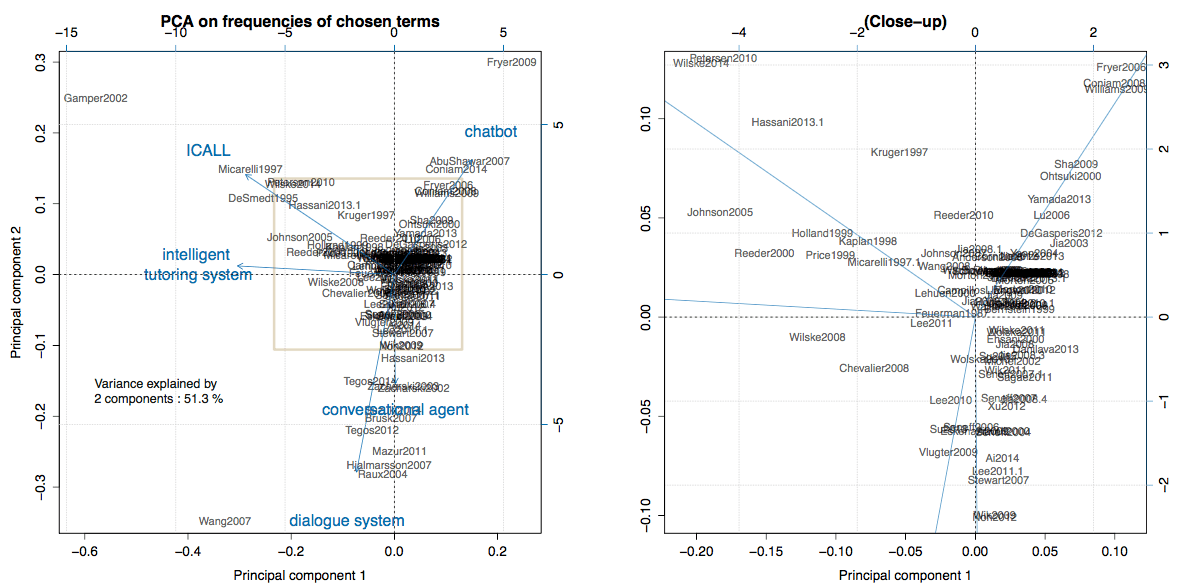
Conversational AI includes chatbots, dialogue systems, intelligent personal assistants, and other conversational agents used for dialogue practice, whether spoken or written, for language learning. This chapter explores the role of conversational AI, from its rule-based origins to the advent of large language models (LLMs), in language learning. It examines the theoretical foundations underpinning the use of chatbots for language learning, including the Interaction Hypothesis and the impact on foreign language anxiety and willingness to communicate. The chapter synthesizes empirical evidence regarding the effectiveness of both dedicated language learning applications and general-purpose conversational AI for autonomous practice and integration into formal teaching contexts. Finally, it provides practical recommendations for teachers, addressing guidance strategies, professional development, tool selection, activity design, and potential challenges in using conversational AI to support language development.